
Your Shopping Cart
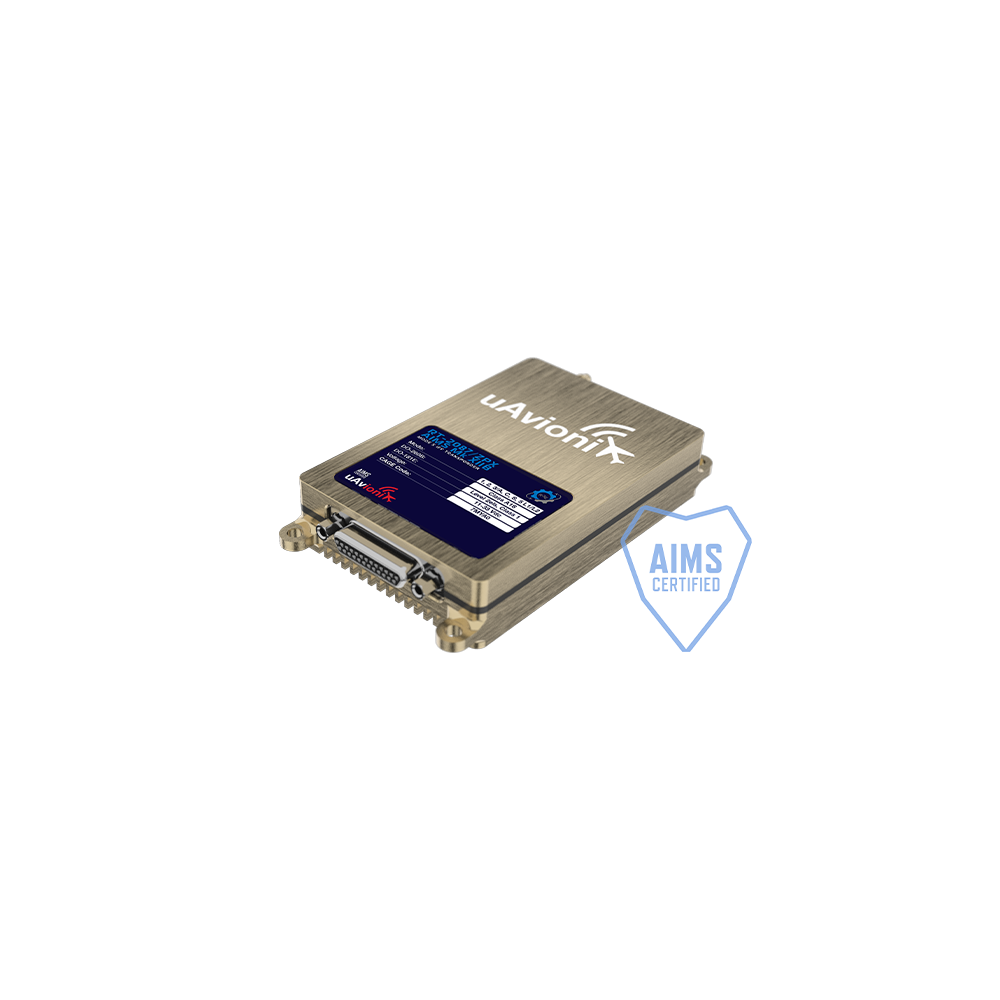
RT-2087/ZPX IFF Transponder
SKU: UAV-1003850-001
Available on backorder
Primary Features
-
Low-SWaP Combat ID System
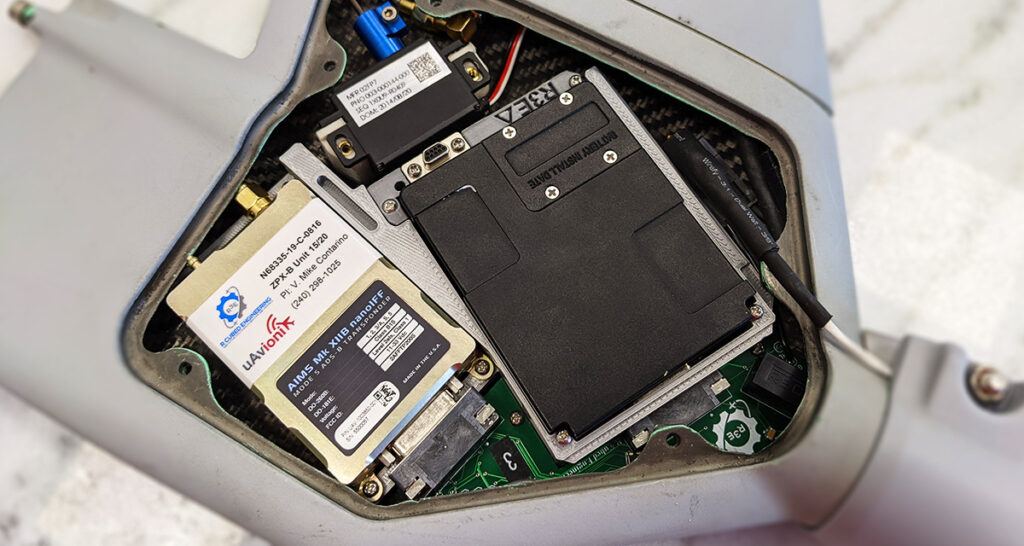
Combines Mode 1, 2, 3/A, C, S, and Mode 5 L1/2 IFF with ADS-B In/Out and position and timing input in a single low-SWaP unit—minimizing payload impact without compromising capability.
-
Built for Autonomous Operations
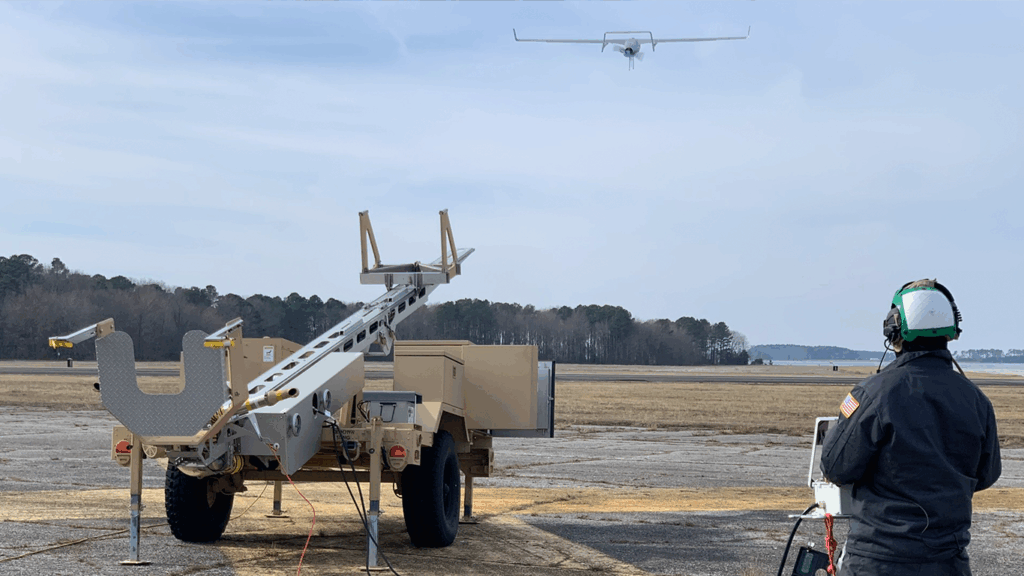
Engineered for dynamic, autonomous, and BVLOS missions. ZPX integrates with autopilots and precision navigation and timing systems to maintain control and position integrity from takeoff to recovery.
-
AIMS Certified for Mission Readiness
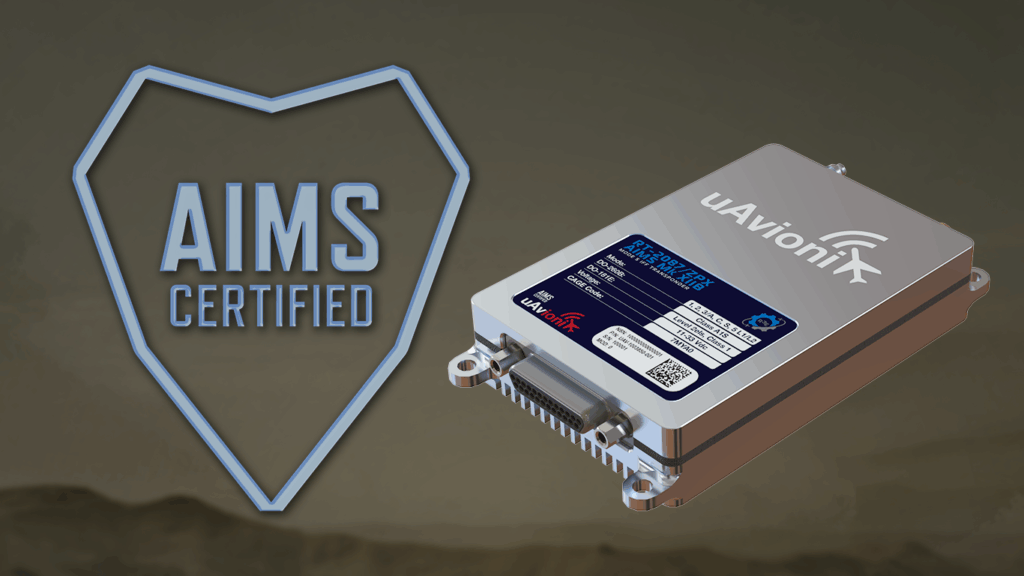
ZPX meets AIMS Mk XIIB and DoD AIMS 17-1000B standards, delivering trusted Mode 5 Level 1/2 IFF performance for uncrewed and crewed platforms alike.
1 / 3
Additional Features
Reliable System Performance
Wide Operational Temperature Range
Operates effectively in temperatures ranging from -45 to 71°C.
High Transmission Power
250 W power output enhances range and reliability of surveillance transmissions.
Crypto Emulator Support
Facilitates non-classified development and training with options like KIV-77 and KIV-79.
FAQ’s
Knowledge Base
- Aircraft Compatibility
- FAA Requirements
- Installation
- Operation
- Maintenance
- Troubleshooting Tips and Tricks
-
-
What types of UAVs can use the RT-2087/ZPX?
Designed for small and tactical UAVs, the RT-2087/ZPX is versatile enough to integrate with various unmanned aircraft systems requiring low-SWaP specifications.
-
-
-
Does the RT-2087/ZPX meet FAA regulations for UAV operation in controlled airspace?
Yes, it meets ADS-B and IFF requirements as per FAA standards, ensuring compliance for operation within national airspace.
-
-
-
What is involved in installing the RT-2087/ZPX on a UAV?
Installation involves integrating the transponder with the UAV’s existing avionic systems, typically requiring configuration of control interfaces and antenna setup.
-
-
-
How is the transponder operated remotely?
The transponder can be operated via Ethernet or RS-232/485 interfaces, allowing ground control stations to manage settings and functionalities remotely.
-
-
-
What maintenance is required for the RT-2087/ZPX?
Regular maintenance includes firmware updates, system diagnostics, and checking connectors and cables for integrity.
-
-
-
What should I do if the transponder is not transmitting data correctly?
Verify the power settings, check antenna connections, and ensure that the correct operational modes are configured. Resetting the system or performing a firmware update may also resolve issues.
-
Documentation
ZPX Manuals & Guides
-
Technical Specifications
Specification Value Input Voltage 11-33VDC 3.5W Continuous (NORMAL) 4W Peak (8ms maximum) Size 83 x 47 x 15 mm Weight 68 grams Operating Temp -45 to 71°C Transponder Mode 1,2, 3/A, C, S -76dBm ±2dB Mode 5 MTL (sensitivity) -80dBm 1090 MHZ Tx Power 250 W (54 dBm) Altimeter Range Accuracy TSO-C88b compliatnt up to 35,000 ft 35,000 to 60,000 ft, ± 1% Control Interface Baudrate 57,600 bps RS-485/-232 Protocol GDL90+ Position Interface Baudrate 115,200 bps RS-232 Protocol uAvionix OEM Protocol ADS-B Traffic Interface Baudrate 115,200 bps RS-232 Protocol GDL90+ KIV Interface AIMS 04-900(A) Option B (KIV-77 / KIV-79) Options 1030/1090 MHz Transponder Antenna uAvionix truFYX TSO-C145e Position Source NSM programming for crypto emulator Crypto emulators (KIV-77 and KIV-79)