
Ground Based Detect and Alert
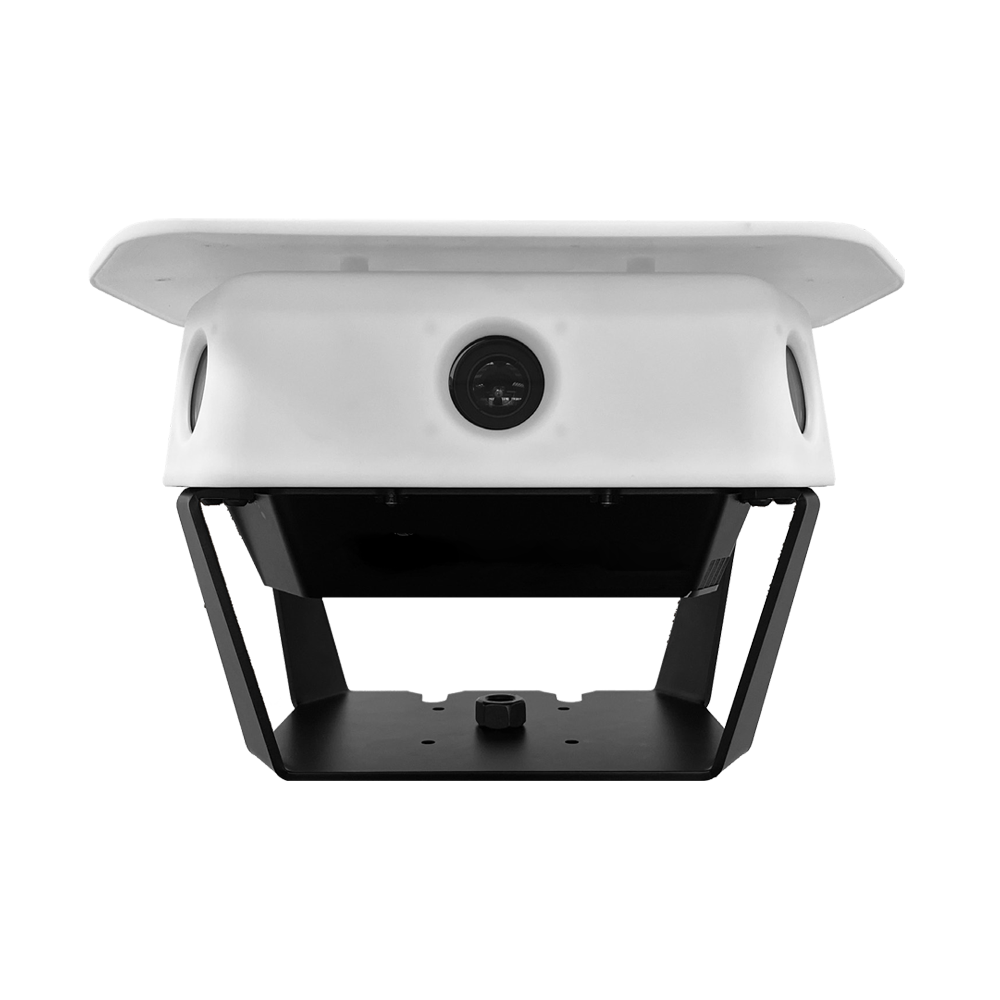
CASIA G harnesses advanced AI and computer vision to provide unparalleled airspace surveillance, detecting and classifying general aviation aircraft as well as rotorcraft with a full optical, 360° field of view. Designed for seamless integration, it enhances situational awareness and unlocks automated DFR dock surveillance to enable BVLOS. Easily expandable through a mesh network of multiple nodes, networked CASIA G’s can cover vast areas without FCC approval needed, and tying in seamlessly to uAvionix FlightLine Portal as well as industry leading UTM and DFR visualization and control solutions.
Primary Features
Advanced Detection and Classification
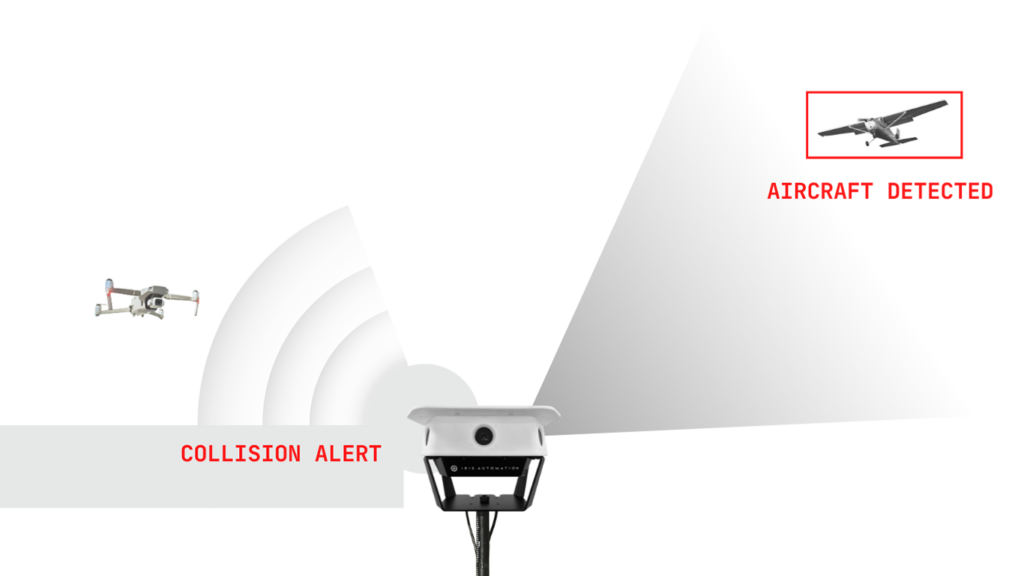
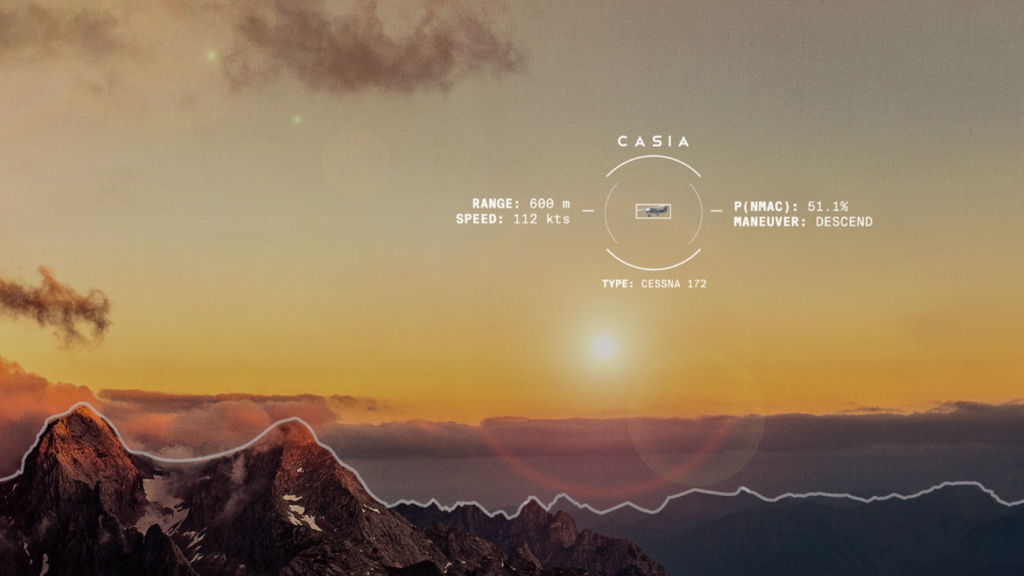
CASIA G utilizes AI and computer vision to detect, classify, and alert for aircraft (small planes + helicopters) with a full optical, 360° field of view.
Seamless Integration
CASIA G easily integrates with existing situational awareness tools such as uAvionix FlightLine Portal or 3rd party solutions such as Aloft AirBoss, Votix or DroneSense, allowing Remote Pilot in Command (RPIC) to access all necessary information from a single user interface.
Highly Scalable Network
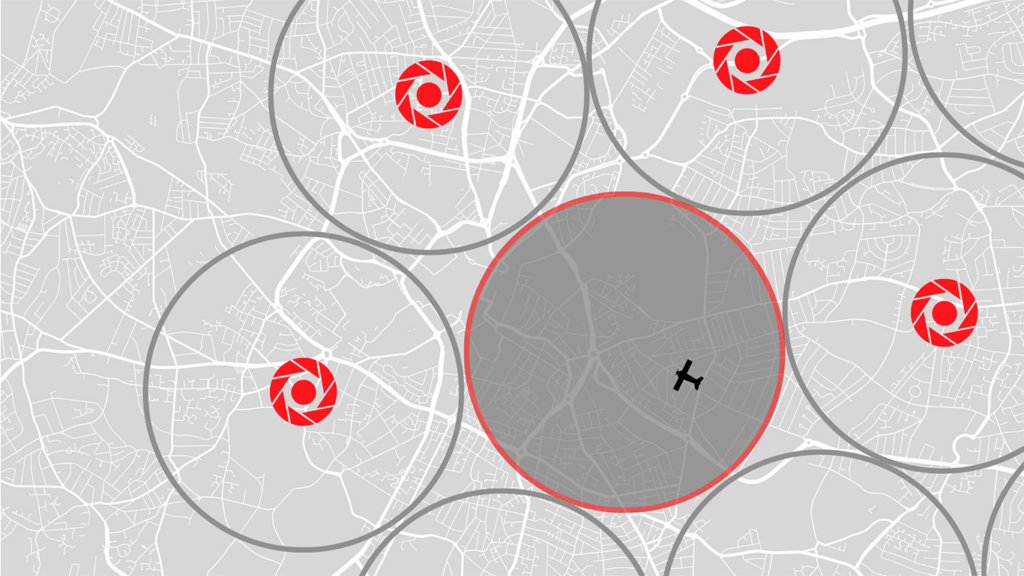
Deploy multiple CASIA G units in a mesh network to cover large areas, enhancing safety and providing additional reaction time to relocate UAS to safe zones.
Additional Features
Unlocking More
Unlimited Range Coverage
With a network of multiple nodes, CASIA G can effectively cover limitless distances.
Low Power and Light Weight
Each node consumes 65W nominally (70W peak) and weighs only 4 kg, making it easy to install on various mounts (wall, pole, etc.).
Regulatory Advantage
Does not require any FCC approval as it is a passive detection system, facilitating quicker setup and fewer regulatory hurdles.
Durable and Weather Resistant
Built to operate in visual meteorological conditions, with a temperature range from -10ºC to 50ºC.
Turnkey Installation and Maintenance
Provided by uAvionix support engineers or official 3rd party resellers, ensuring easy deployment and upkeep.
Extensive Partner Integrations
Integrated into systems like DroneSense, Votix, Aloft and OneSky UTM, enhancing its capabilities and applications in various operational scenarios.
FAQ's
Knowledge Base
- Aircraft Detection
- Federal Requirements
- Installation
- Operation
- Maintenance
- Troubleshooting Tips and Tricks
What types of aircraft can CASIA G detect?
CASIA G can detect a variety of aircraft including small planes and helicopters, providing comprehensive crewed aviation airspace monitoring.
Does CASIA G require FCC approval?
No, CASIA G is a fully passive system and does not transmit signals, as such it does not require site specific FCC approval, FCC Station Licenses nor Special Temporary Authorizations (STA). Once it’s plugged in and set up, its ready to start reporting air traffic.
What are the installation requirements for CASIA G?
CASIA G can be mounted on various structures like walls or poles. CASIA G requires 110v power as well as data via Ethernet, and a clear view of the sky. Installation and maintenance can be handled by uAvionix support engineers or by uAvionix approved CASIA G resellers.
How does CASIA G integrate with other systems?
CASIA G is now engineered to output traffic hits seamlessly through the uAvionix FlightLine CAT021 UDP API to 3rd party user interfaces. It can also be integrated directly (with no need for FlightLine CAT021 API) through the original MQTT API with existing situational awareness tools, such as FlytBase, DroneSense, Votix or IRIS Terminal, offering versatile connectivity solutions.
What does maintenance involve for CASIA G?
Regular maintenance, primarily managed by uAvionix support, includes system checks and updates to ensure optimal performance.
What should I do if CASIA G fails to detect an aircraft?
Ensure that the system is correctly calibrated and that there are no obstructions in the field of view. Check for software updates or contact uAvionix support for further assistance