
Your Shopping Cart
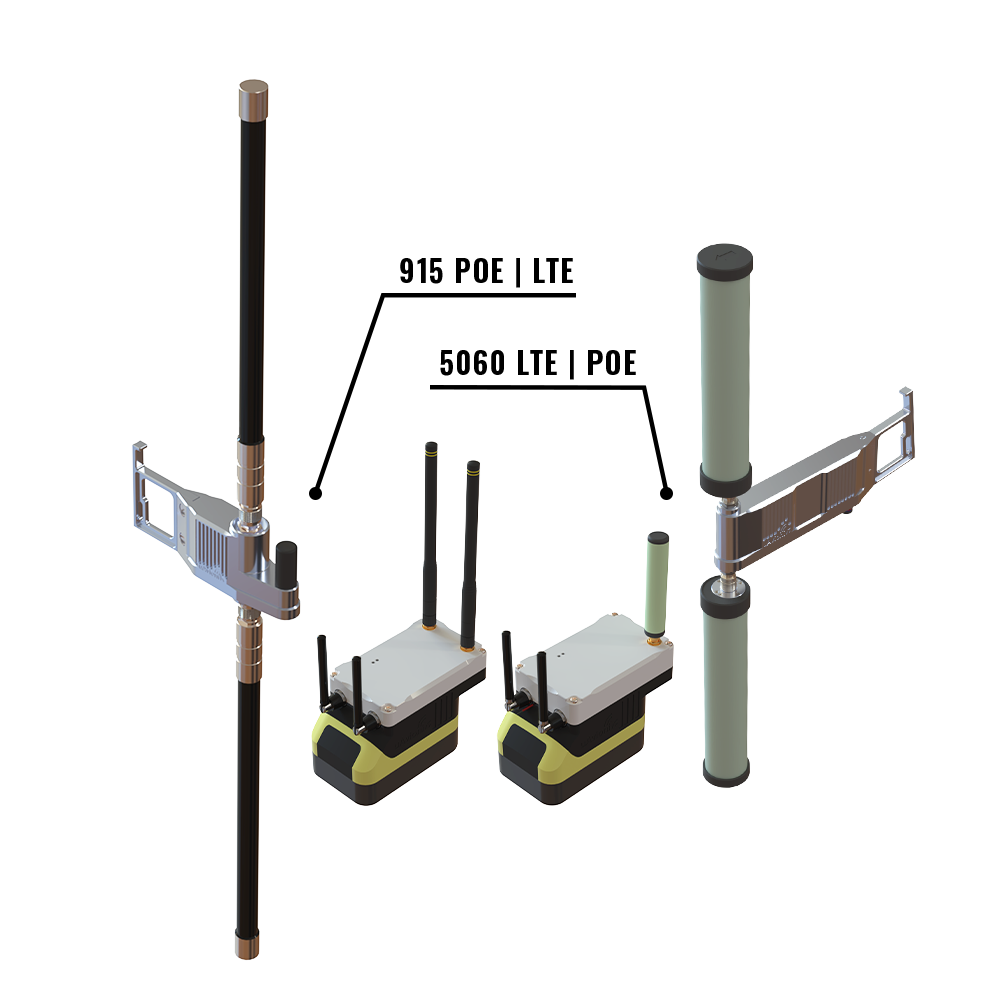
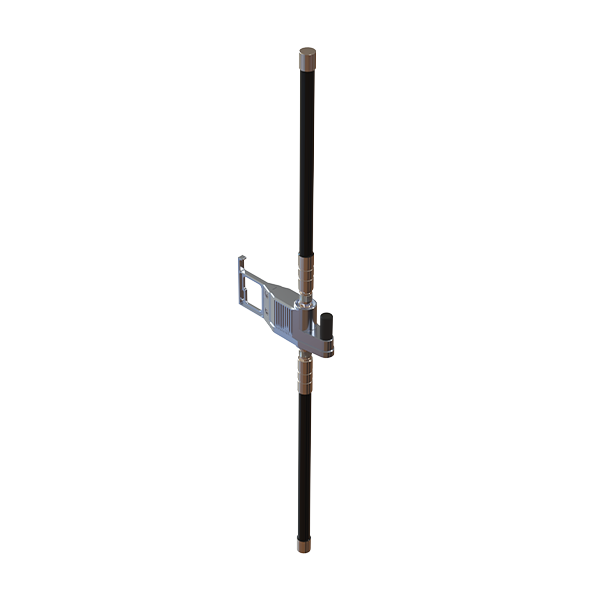
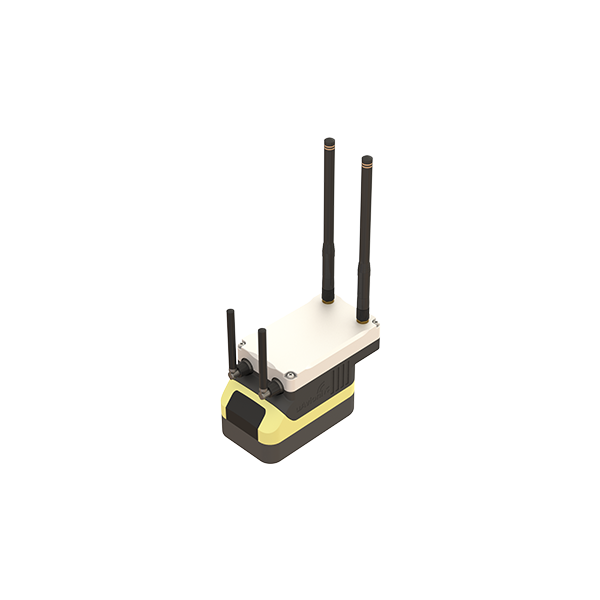
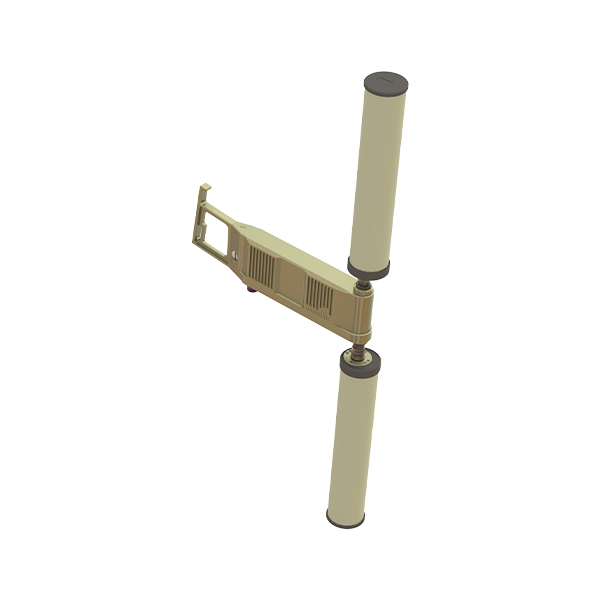
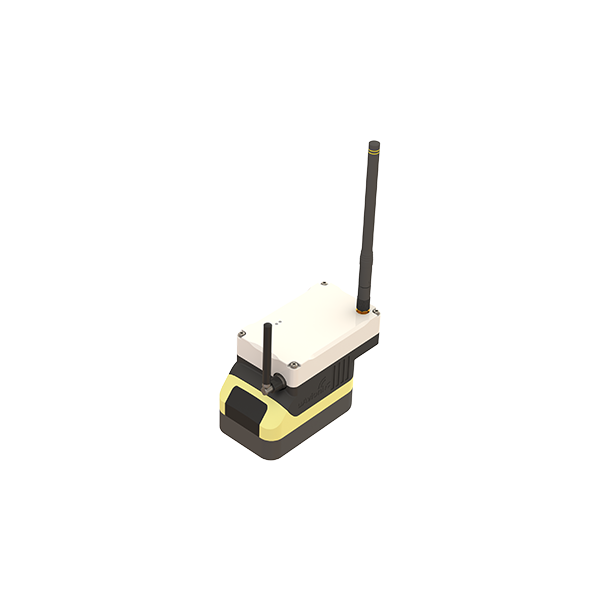
SkyStation
SKU: UAX-90082-01
Primary Features
-
Multi-Frequency Connectivity
skyStation series operates seamlessly with SkyLine™, offering robust multi-frequency connectivity essential for BVLOS (Beyond Visual Line of Sight) operations, ensuring reliable communication over various terrains and distances.

-
Extended Range and Seamless Roaming
Deploy multiple skyStation ground radios to expand operational range and enable seamless roaming across different RF frequencies, enhancing mission flexibility and effectiveness.

-
Power Options
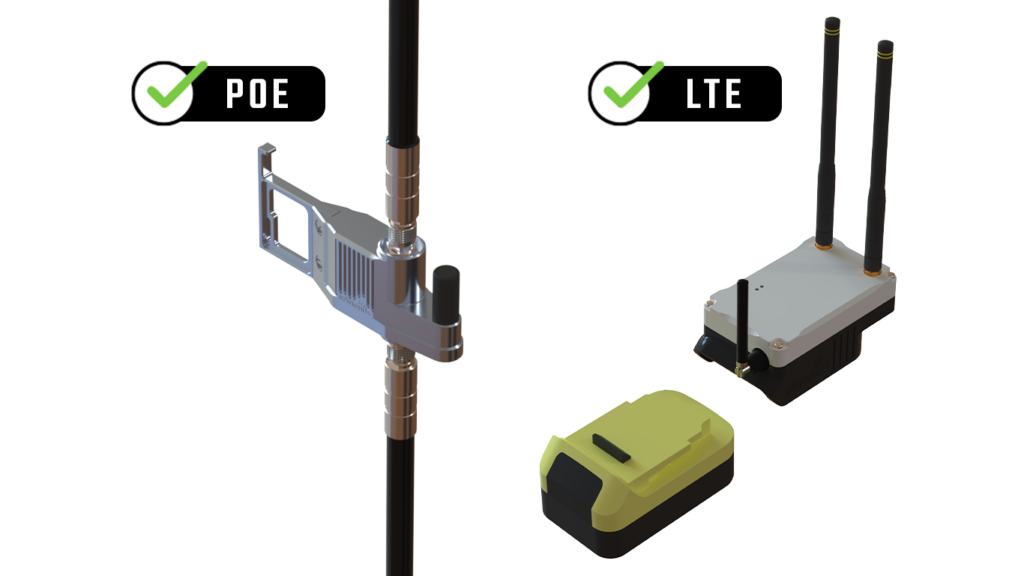
skyStation units offer flexibility in power sources, including Power-over-Ethernet (PoE) and mobile battery options with commercial off-the-shelf battery integration, reducing setup complexity and operational costs.
1 / 3
Additional Features
Expanding Operational Flexibility
Weatherproof and Durable
All skyStation units, including the 915 and 5060 series, are equipped with IP67-grade enclosures, making them suitable for all-weather operations.
Global LTE Connectivity
Integrated LTE radio (in selected models) provides backhaul connectivity, ensuring consistent performance across global operations.
Integrated GPS
Offers precise positioning and timing, essential for coordinated operations and safety in UAV management.
FAQ’s
Knowledge Base
- Aircraft Compatibility
- FAA Requirements
- Installation
- Operation
- Maintenance
- Troubleshooting Tips and Tricks
-
-
What airborne radio systems are compatible with skyStation?
skyStation supports various ARS including SkyLink-915, SkyLink-5060, and their micro versions, as well as muLTElink series.
-
-
-
Do skyStation products meet FAA requirements?
Yes, all skyStation products comply with FAA TSO-C213a and are designed according to RTCA DO-362A standards.
-
-
-
How do I install skyStation on a tower?
skyStation units come with all necessary mounting kits and detailed instructions for both PoE and LTE models, ensuring straightforward tower installations.
-
-
-
How does skyStation integrate with SkyLine?
skyStation automatically registers with the SkyLine Cloud Managed BVLOS Service for seamless operation and control across multiple ground stations.
-
Can you help me understand the GRS link switching and roaming logic?
The GRS (Ground Radio Station) uses SkyDM (SkyLine DataMux) to manage both link switching (between mediums/paths) and roaming (between multiple GRS within a medium). SkyDM is the key component that multiplexes the C2 links during a flight.
Link Switching
Link Switching chooses the primary link medium/paths (e.g., LTE vs Satcom) on the ground.- Inputs: 1-second average of received user data on all links.
- Scope: Evaluates and switches between different link mediums/paths (e.g., LTE vs. Satcom).
- Prioritization: When the current active link becomes inactive (no data for >1 second), chooses an active link with the highest received rate (if multiple).
- Evaluation cadence: Every 1 second with double-hysteresis, consistent with muLTElink.
- Trigger: Switch occurs when a link is disqualified (0 user data, poor RSSI, or loss of connectivity).
- Behavior: Prioritizes stability with hysteresis to avoid unnecessary flapping.
Roaming (Within a Link)
Roaming chooses the lead GRS within a given link when multiple GRS are available.- Scope: Roaming operates within a single link when multiple GRS are available.
- Inputs: Network connectivity status, RSSI strength, and reception of ARS heartbeats.
- Qualification: Each GRS is qualified using this combination of factors.
- Evaluation cadence: Every 1.5 seconds.
- Hysteresis: Single hysteresis applied to reduce unnecessary swaps.
- Selection: Chooses the lead GRS from qualified candidates; prefers strongest RSSI if all else equal.
Key Takeaway
- Primary vs. Lead distinction: Note that link switching chooses the primary link medium, while roaming chooses the lead GRS within that link.
-
-
-
What is the maintenance protocol for skyStation units?
Regular maintenance includes checking and cleaning the enclosures, verifying the integrity of the power supply, and updating the firmware via the Ethernet interface.
-
-
-
What should I do if I experience connectivity issues?
Ensure all firmware is up to date, check power supply and connections, and verify network settings. For persistent issues, contact uAvionix support for detailed diagnostics and assistance.
-
Documentation
skyStation Manuals & Guides
General Documentation
Utilities
General Documentation
Data Sheets
MicroLink Datasheet UAX-90045-01 [ Revision E – 12/12/24 ]
SkyStation5060LTE Datasheet UAV-1006979-001 [ Revision A – 6/28/25 ]
SkyStation5060POE Datasheet UAV-1006993-001 [ Revision D – 12/1/25 ]
SkyStation915LTE Datasheet UAV-1006978-001 [ Revision A – 6/28/25 ]
SkyStation915POE Datasheet UAV-1006992-001 [ Revision D – 12/9/25 ]