
Your Shopping Cart
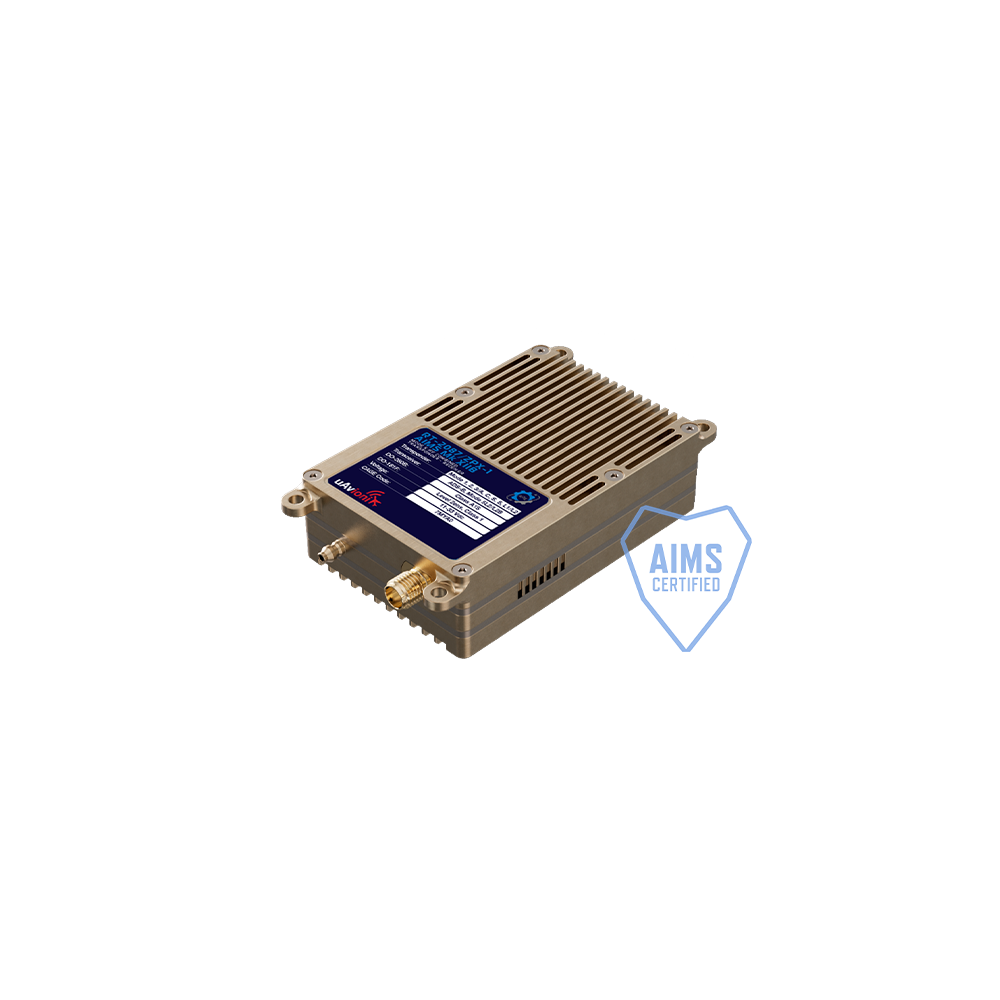
RT-2087/ZPX-1 IFF Combined Transponder Receiver
SKU: UAV-1006673-001
Available on backorder
Primary Features
-
Optimized for Efficiency
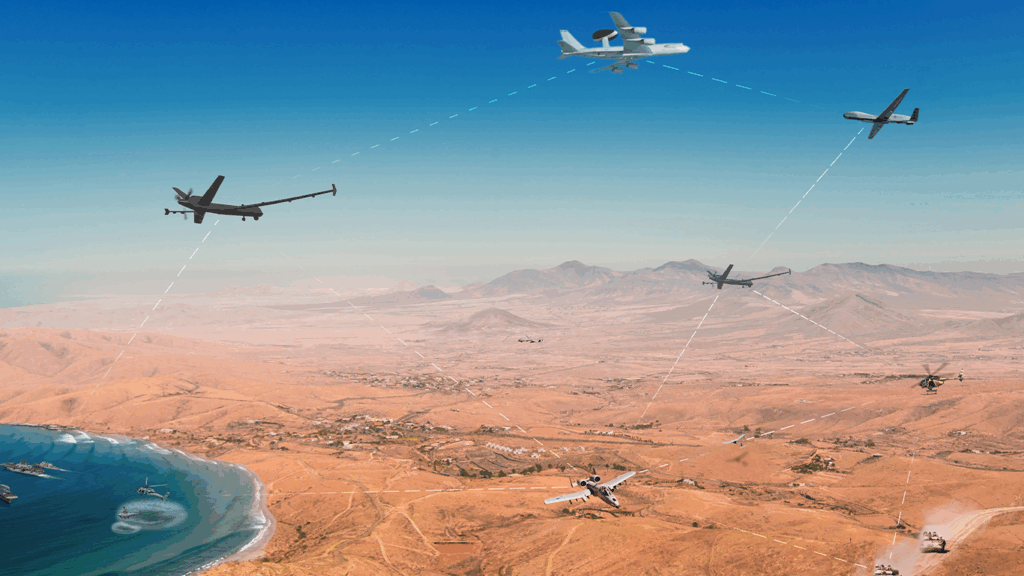
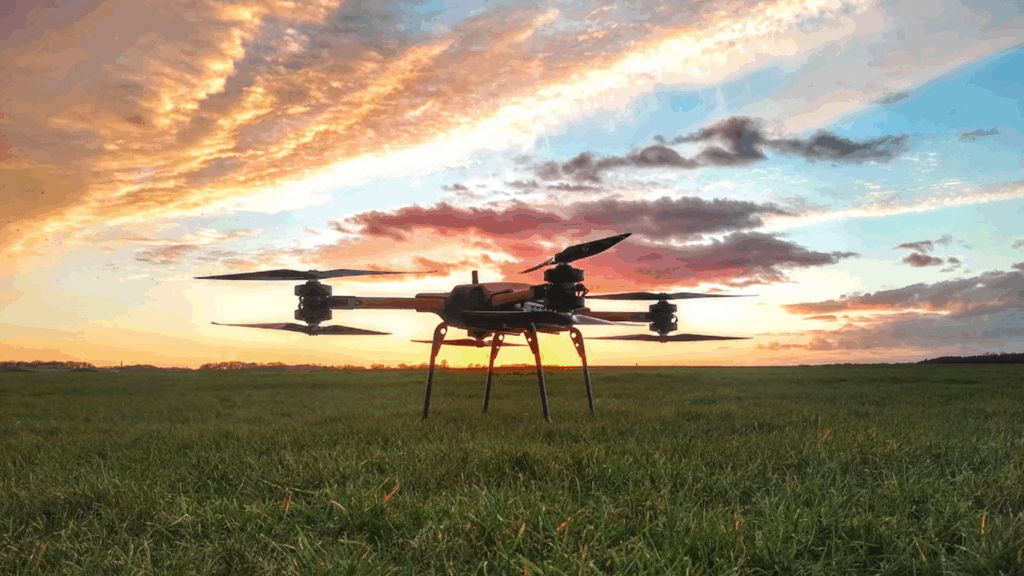
Designed for high-performance UAS with available payload capacity, ZPX-1 balances military-grade functionality with a small footprint—making it ideal for Group 2 and larger UAS and long-endurance missions.
-
Mission-Ready, Simplified
All ZPX systems are crypto-appliqué compatible and compliant with civil airspace requirements as Mode S/1090ES ADS-B transponders, simplifying aircraft configurations.
-
AIMS Certified for Secure Airspace
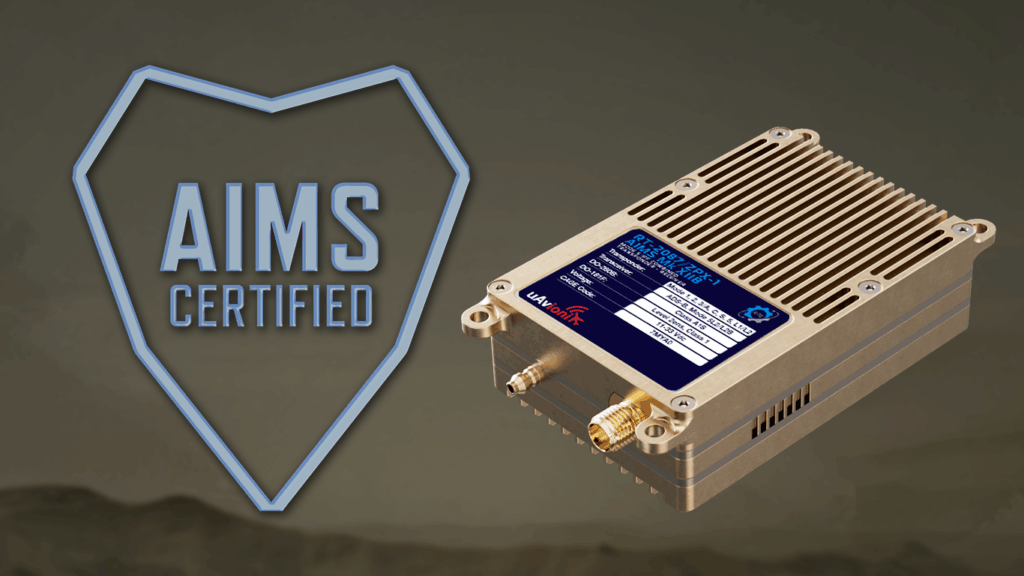
ZPX-1 is fully certified to AIMS Mk XIIB and DoD AIMS 17-1000B standards, delivering trusted Mode 5 Level 1/2 and Level 2 Broadcast IFF capability for military airspace operations.
1 / 3
Additional Features
Reliable System Performance
Adaptable Power Supply
Supports multiple power modes, adapting to varied mission requirements.
Durable and Reliable
Designed to withstand extreme operational conditions from -45° to 71° C.
Precision Sensing
High sensitivity for reliable reception and transmission of surveillance signals.
FAQ’s
Knowledge Base
- Aircraft Compatibility
- FAA Requirements
- Installation
- Operation
- Maintenance
- Troubleshooting Tips and Tricks
-
-
What types of UAVs can use the RT-2087/ZPX-1?
The system is designed for Tactical UAVs, particularly suited for small Group 2 and larger UAS and larger drones, providing necessary IFF and ADS-B capabilities.
-
-
-
Does the RT-2087/ZPX-1 meet FAA standards for ADS-B?
Yes, it meets ADS-B requirements and is equipped to handle both civilian and military airspace operations.
-
-
-
How is the RT-2087/ZPX-1 installed on an aircraft?
The transponder is designed for easy integration with various UAV platforms, utilizing minimal space and power. Installation should be performed by a qualified technician with reference to the specific installation guide.
-
-
-
How do I operate the RT-2087/ZPX-1?
The unit operates automatically once installed and powered, but configuration might be required via compatible ground control systems to ensure proper functioning.
-
-
-
What maintenance does the RT-2087/ZPX-1 require?
Regular checks should be made for firmware updates and physical inspections to ensure connectivity and functionality are maintained.
-
-
-
What should I do if the RT-2087/ZPX-1 is not transmitting data?
Ensure all connections are secure, the unit is powered correctly, and no damage is visible. Check for firmware updates or configuration errors. If the issue persists, contact technical support for assistance.
-
Documentation
ZPX-1 Manuals & Guides
-
Technical Specifications
Specification Value Input Voltage/Power 11-33VDC 3.5W Continuous (STBY) 5.5W Continuous (NORMAL) 6W Peak (8ms maximum) Size 83 x 47 x 21 mm Weight 91 grams Operating Temp -45° to 71° C Transponder SIF & Mode S MTL @ 1030 MHz MTL (sensitivity)
-76 dBm ±2 dB Mode 5 MTL (sensitivity) -80 dBm 1090 MHz Tx Power 250W (54 dBm) Receiver Sensitivity ADS-B Rx MDL -79 dBm ±2 dB Mode 5 MDL L2/2-B Rx -84 dBm Altimeter Range -1000 to 126,750 ft Control Interface Baud Rate 57,600 bps RS-485/-232 Protocol GDL90+ Position Interface Baud Rate 115,200 bps RS-232 Protocol uAvionix OEM Protocol Mode 5 Level 2/2B and ADS-B IN Traffic Baud Rate 115,200 bps RS-232 Protocol GDL90+ / DoD AIMS 23-901 KIV Interface AIMS 04-900(A) Option B (KIV-77 / KIV-79) Options 1030/1090 MHz Transponder Antenna 10/100 Ethernet Adapter uAvionix truFYX SIL 3 Position Source NSM programming for crypto emulator -
RT-2087/ZPX-A User and Installation Guide